Click on the image above for more information on my books, or to purchase a copy

"Amythyst Raine is an author known for her work in the realm of spirituality, witchcraft, and the metaphysical. Her books often explore themes related to paganism, tarot, and spiritual practices. On Amazon, you can find a variety of her published works, including titles like "Tarot: A Witch's Journey", where she combines personal experiences with tarot wisdom, and "The Spiritual Feminist", which delves into the empowerment of women through spiritual practices. Raine's books are often praised for their accessible writing style and insightful perspectives, making them popular among those interested in exploring spiritual paths and the divine feminine. If you're curious about these topics, her works can serve as a thoughtful guide on your journey."
Showing posts with label pagan holidays. Show all posts

Saturday, July 24, 2021

Pagan Holidays ~ Lammas, August 1


Pagans refer to the progression through the seasons as "The Wheel of the Year". Not only does this wheel encompass pagan holidays, including those now cloaked with Christian traditions, but a variety of energies as well. These energies are a combination of astrological influences, moon phases and full moons, solstices and equinoxes, the changing of seasons, and the magick of time.


As the dog days of summer are still upon us, it’s strange to realize that so is the first of the pagan harvest festivals, Lammas…aka Lughnasadgh. Summer will soon be winding down, and August is the transition that will carry us into autumn. As we celebrate the first harvest of wheat, let’s also celebrate the changing of seasons, the transparency of time, and the miracle of continuity.

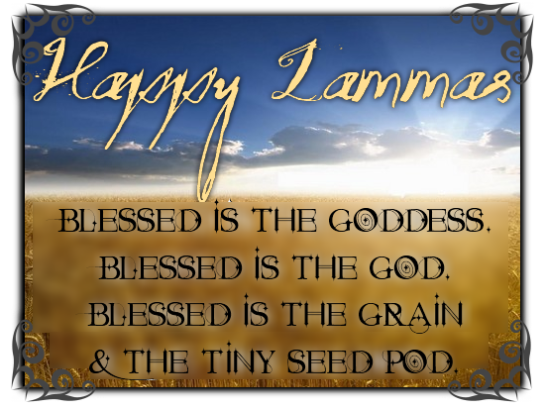
Happy Lammas!


August
Barley Moon

  • Herbs: rosemary, jasmine, lilac, violet, calamus
  • Stones: bronzite, peridot, green sapphire
  • Scents: frankincense, heliotrope
  • Colors: yellow, gold, green
  • Trees: hazel, alder, cedar
  • Deities: Ganesha, Hathor, Hecate, Nemesis
  • Astrological Signs: Leo, Virgo
  • Elements: Earth/Air


Crafting Your Magic:

The Barley Moon is the time to reap the harvest of magic cast at the beginning of the summer season. It’s a time for the powerful assertive energy of Leo to give way to the calmer vibrations of Virgo. Do magic at this time to cleanse before the winter, cleansing not only your personal space, but intangible aspects as well. Clear out unwanted rubbish, whether it be inertia, conflict, indecisiveness, or some other personal weakness. As the summer winds down and wildlife begins to prepare itself for the dark months to come, this is where the heart of your magic lay as well.


August 1: Lammas
(aka, Lughnasadgh)

  • Traditions: celebration of first harvest/grain harvest, celebration of the Feast of Bread, weather magic, gathering bilberries as a symbol of abundance, games showcasing athletic ability
  • Pagan Lore:  Lugh…Lughnasadh celebrates the Irish god:

Lugh or Lug (Old Irish: Modern Irish: Lú) is one of the most prominent gods in Irish mythology. A member of the Tuatha Dé Danann, Lugh is portrayed as a warrior, a king, a master craftsman and a savior. He is associated with skill and mastery in multiple disciplines, including the arts. He is also associated with oaths, truth and the law, and therefore with rightful kingship. Lugh is linked with the harvest festival of Lughnasadh, which bears his name. His most common epithets are Lámfada ("of the long hand," possibly for his skill with a spear or his ability as a ruler) and Samildánach ("equally skilled in many arts").

In mythology, Lugh is the son of Cian and Ethniu (or Ethliu). He is the maternal grandson of the Fomorian tyrant Balor, whom Lugh kills in the Battle of Mag Tuired. His foster-father is the sea god Manannán. Lugh's son is the hero Cú Chulainn, who is believed to be an incarnation of Lugh.

Lugh has several magical possessions. He wields an unstoppable fiery spear, a sling stone, and owns a hound named Failinis. He is said to have invented fidchell (a Gaelic equivalent of chess), ball games, and horse racing.

He corresponds to the pan-Celtic god Lugus, and his Welsh counterpart is Lleu Llaw Gyffes. He has also been equated with Mercury, as well as Apollo. 

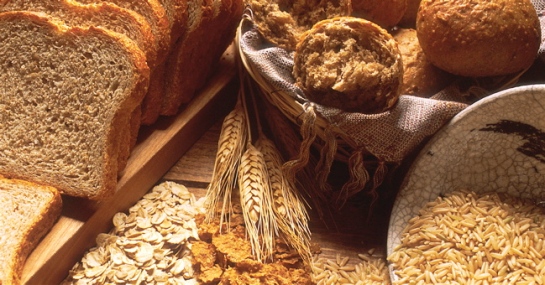
This is the first of the harvest festivals, and in the ancient world this was indeed a time of celebration. A successful harvest would mean survival in the harsh winter months to come. In the northern countries this was a celebration of the first harvest of wheat and grain, thus bread is featured in the celebration of Lughnasadh, also known as Lammas. Freshly baked loaves of aromatic bread are the main feature found upon pagan alters for this holiday.

As modern-day Pagans celebrate the festival of Lughnasadh, they will build roaring bonfires, feed each other a mouthful of bread, and with wine they will toast each other… "May you eat the bread of life."


For more more information on Pagan Holidays, including videos and rituals, visit my website, The Witch’s Corner:  click  HERE


Sources of Information

The information on Lugh can be found at Wikipedia.  Much of the text on the holiday of Lammas can be found in my book, The Gray Witch's Grimoire.

Amythyst Raine 2011


Saturday, April 10, 2021

Pagan Holidays ~ Let's Celebrate: Eat, Drink, & Be Merry


Pagans refer to the progression through the seasons as "The Wheel of the Year". Not only does this wheel encompass pagan holidays, including those now cloaked with Christian traditions, but a variety of energies as well. These energies are a combination of astrological influences, moon phases and full moons, solstices and equinoxes, the changing of seasons, and the magick of time.

Note: More information & correspondences on the topic of pagan holidays, the months and their moons, astrological energies, as well as history and lore can be found Here

The series of 8 videos for Pagan holidays found on this blog post were created and produced by a woman I'm so fortunate to call a dear friend, Ms Julie Carol.

Enjoy!


 Samhain
(Halloween)
October 31

Samhain (pronounced 'Sou-wen') is a celebration that has a more somber side than the revelry of modern Halloween. It is a day of remembrance of your ancestors and for those family members who have passed over.

Pagan families may set an extra place at the supper table on this evening, to honor those loved ones who are no longer with them. The veil between the world of the living and the dead is thinnest on this eve, and this night is an excellent time to perform divination, or try to connect with those from the other side.

Correspondences for Samhain

  • Herbs: patchouli, sage, heather

  • Altar Flowers/Herbs: acorns, apples, pumpkins/gourds, dittany, autumn leaves

  • Feast Foods: pumpkin, squash, nut breads, sweet potatoes, milled drinks (cider, wine), roast meat, root vegetables

  • Animals: bats, cats, crows, ravens, owls

  • Incense: cinnamon, cloves, myrrh, patchouli, pine, mugwort, nutmeg

  • Rituals/Spells: making besoms, divination, spirit contact, crone magick, working with dark energy, spells for new beginnings


Winter Solstice
(Yule)
December 21

 Winter Solstice...the longest day of darkness in the year; and with the darkness comes the promise of light, the rebirth of the Sun. It is no wonder, because of the importance of this date to the ancient pagans and the symbolism involved, that the Roman church chose this date to celebrate the birth of Christ.

This is the time that the brothers battle-- the Holly King & the Oak King. The Oak King will win this fight with his brother, and light and warmth will return to the Earth. 

Correspondences for Winter Solstice

  • Herbs: frankincense, myrrh, sage, bayberry, rosemary

  • Altar Flowers/Herbs: holly, mistletoe, pine cones, evergreen, thistle, cedar

  • Feast Foods: fruitcake, gingerbread, cranberries, dried fruit, eggnog, cider/wine

  • Animals: white buffalo, stag, weasels, owls, squirrels, blue jays, cardinals, doves

  • Incense: bayberry, cedar, frankincense, myrrh, orange, sage, rosemary

  • Rituals/Spells: hearth and home magick, lighting the Yule log, hopes and dreams spells, wishes


Imbolc 
February 2

In the ancient world, and in the agricultural world of today, this is the time when the ewes begin giving birth. This is the time of, not only birth, but lactation, and a time to celebrate these two wonders of life. This is also a celebration of the transformation of the Old Woman of winter into the Young Maiden of spring.

This is a festival of the Celtic goddess, Bride, so beloved by the people of the old world that the Roman church couldn't eradicate her. Instead they made her a saint, Saint Brighid. In Celtic lore, the Old Woman of Winter (the Cailleach) was reborn as Bride, the young maiden of Spring.

Correspondences for Imbolc

  • Herbs: basil, bay, celandine, benzoic

  • Altar Flowers/Herbs: angelica, myrrh, flowers that are yellow/white/or blue

  • Feast Foods: bread, cakes, dairy products, seeds

  • Animals: burrowing animals, ewes, deer, goats, lambs

  • Incense: jasmine, myrrh, neroli

  • Rituals/Spells: candle magick, initiation, hearth/home blessings, fertility magick, healing magick, cleansing rituals


Ostara
(Spring Equinox)
March 21

This is the day when the period of light and dark are equal, heralding springtime planting and the promise of warmth returning for the summer months.

This is also a celebration of the Saxon goddess of fertility...Eastre. Eggs and rabbits are symbols belonging to the Goddess Eastre and are incorporated into the festivities and celebrations. Sound familiar yet?  It is interesting to note why the date for the Christian holiday of Easter moves every year...Easter is always celebrated on the first Sunday after the first full moon after the Spring Equinox.

Correspondences for Ostara

  • Herbs: cinquefoil, rose, violets, tansy, celandine

  • Altar Flowers/Herbs: honeysuckle, iris, lily, daffodil, crocus

  • Feast Foods: eggs, fish, honey, sweet food, leafy vegetables

  • Animals: chicks, hares, rabbits, swallows

  • Incense: honeysuckle, jasmine, lavender, lotus, magnolia, rose, violet

  • Rituals/Spells: planting/sowing, rejuvenation spells, consecration of tools, grounding work, Earth blessings, spring cleansing


Beltaine
(May Day)
May 1


This holiday is one of the most Pagan. It is a celebration of fertility and the sexuality that goes right along with it. To the modern world, it's more commonly known as May Day.

What the Roman church tried so hard to control, to portray as evil, sinful, or dirty-- is the very thing celebrated at Beltaine...human sexuality.  In modern celebrations of May Day, people still dance around the Maypole-- some not realizing that this is a phallic symbol, while they hold brightly colored streamers spilling from the top of this pole, symbolic of the creative force of sex.

The Pagan celebrates with bonfires, music, and revelry.

Correspondences for Beltaine

  • Herbs: cinquefoil, frankincense, marigold, meadowsweet, woodruff

  • Altar Flowers/Herbs: daisy, hawthorn, lilac, primrose, wildflowers, rose

  • Feast Foods: barley cakes, oat cakes, red fruit, elderflower drinks, herbal salads

  • Animals: honey bees, cats, horses, rabbits, white cow

  • Incense: frankincense, lilac, passion flower, rose, vanilla

  • Rituals/Spells: bale fire, fertility magick, sex magick, handfasting, beauty magick, love spells, The Great Rite


Litha
(Summer Solstice) 
June 21

This is the longest period of daylight in the year, a time of magick, fairies, and the immortalized Mid-Summer's Eve. Fairy contact is generally easier to achieve on this day, for those of you who are brave enough to invoke the mischievous little folk, that is. But don't be surprised if soon after you can't find your favorite earrings, or the car keys, or any other shiny inviting objects you may have left laying around.

This is a popular month for weddings. The Druid's celebrated the Summer Solstice as the 'marriage between heaven & earth', and thus the popular belief that June is a 'lucky' month for marriage ceremonies.  There will be Pagan spirit gatherings all around the world at this time, the most famous and the most notable at Stone Henge, where large groups of people will light bonfires and stay up all night in order to welcome the dawn.

Correspondences for Summer Solstice

  • Herbs: fennel, lavender, chamomile, cinquefoil, mugwort, thyme

  • Alter flowers/Herbs: larkspur, rose, wisteria, St. Johns Wort

  • Feast Foods: apples, citrus, fruits, ale, mead, honey cakes

  • Animals: butterflies, frogs, toads, wrens

  • Incense: ylang ylang, thyme, rose, sandalwood, chamomile

  • Rituals/Spells: all night fairy vigils, candle magick, dream work, familiar blessings, herb gathering, self-dedication, sun magick


Lammas
August 1

This is the first of the harvest festivals, and in the ancient world this was indeed a time of celebration. A successful harvest would mean survival in the harsh winter months. In the northern countries this was, in particular, a celebration of the first harvest of wheat, thus bread is featured in the celebration of Lammas, also known as Lughnasadh.

As the modern day Pagans celebrate this festival they will build roaring bonfires, feed each other a mouthful of bread, and with wine they will toast each other..."May you eat the bread of life"

Correspondences for Lammas

  • Herbs: frankincense, wheat, cornstalks, heather

  • Altar Flowers/Herbs: corn ears, hollyhock, myrtle, oak leaves, wheat

  • Feast Foods: apples/apple pie, cornbread, sweet potatoes/sweet potato pie, grapes, blackberries

  • Animals: calves, roosters, deer

  • Incense: chamomile, rose, rosemary, allspice, sandalwood, carnation

  • Rituals/Spells: maternal magick, prosperity spells, purification spells, thanksgiving rituals, career spells


Mabon
(Autumn Equinox)  September 21

This day brings equal hours of light and dark, a second celebration of perfect equality. Beyond this day, light will gradually fade as the dark season descends upon the world. At this time of year, the ancient Druids would burn a large human-like wicker figure as part of their celebration. This figure represented the vegetation spirit, and indeed, the heralding of the dark season would bring an end to the growth and flowering of summer.

Modern Pagans may celebrate this holiday with many of the foods connected with this time of year in their area. For us this would include pumpkin pie and apple cider. Decorations may include leaves of autumn hues, sunflowers, pumpkins and gourds.

Correspondences for Autumn Equinox

  • Herbs: marigold, myrrh, thistles, sage

  • Altar Flowers/Herbs: asters, mums, pine, ferns, milkweed, honeysuckle

  • Feast Foods: autumn berries, nuts, roast game, root vegetables, cider, wine, bread

  • Animals: stags, goats, blackbirds, canines, owls, birds-of-prey

  • Incense: cedar, myrrh, patchouli, pine, sage, sweet grass, oak moss

  • Rituals/Spells: drying herbs, gathering late harvest, past life work, harvest moon rituals, making willow wands, harmony spells, protection spells for winter


My source -- my book:

Monday, September 14, 2020

Mabon ~ The Autumnal Equinox


The Autumnal Equinox: Mabon


The Goddess, in the death throes of the growing season, is at her most beautiful. As she moves towards the final harvest, in preparation for the dark days to come, she shines with the brilliance and color that is mirrored in the physical world as golden leaves, ripened fruit, withering vines, and frost-covered grass. The spiritual aspect of this stage is one that is just as beautiful, emphasizing once more the idea of completion and accomplishment, of finding that moment within development that culminates with depths of wisdom and the light of knowledge.

This day brings equal hours of light and dark, a second celebration of perfect equality. Beyond this day, light will gradually fade as the dark season descends upon the world. At this time of year, the ancient Druids would burn a large human-like wicker figure as part of their celebration. This figure represented the vegetation spirit, and indeed, the heralding of the dark season would bring an end to the growth and flowering of summer.

Modern Pagans may celebrate this holiday with many of the foods connected with this time of year in their area. Decorations may include leaves of autumn hues, sunflowers, pumpkins and gourds. The most amazing thing, I believe, is how this miraculous milestone of earth and time passes almost unnoticed by the mundane multitudes.

  • My Celebration:

I welcome the growing darkness that I know will follow Mabon. Moment by moment, day by day, it creeps up almost unnoticed. Until one day, you glance at the clock and realize that afternoon is barely over, evening has barely begun, and it is pitch dark outside.

My favorite way to celebrate Mabon is by lighting candles all over the house. In doing so I’m actually celebrating the darkness with light:

I light white candles for cleansing and purification, for Spirit, for the Goddess. I light white candles to wipe the slate clean, to start new lists, to begin new projects. 

I light yellow candles to celebrate the sun and its grace and dignity as it steps back to make way for the moon. I light yellow candles to celebrate communication and everything I’ve ever wanted to say to anyone, and those things I might regret not saying. I light yellow candles to fill my mind with words and thoughts that run into sentences and paragraphs and pages. 

I light lavender candles to celebrate the spirits I know are there but cannot see. I light lavender candles to acknowledge that little voice in my head, the one that’s saved my life over the years, not to mention my sanity. 

I light green candles to celebrate and embrace the earth. I light green candles to celebrate and embrace this wonderful physical body that is mine. I light green candles to bathe in the glow of good health and prosperity. I light green candles to feel the soles of my bare feet connect with the dying grass, the withering garden, the falling leaves.

I light one tall black taper candle that is me, to celebrate the spark of life I carry, to celebrate future days to come, to celebrate my passage through another year…and to acknowledge and embrace my mortality.

  • Mabon Correspondences:

  1. Herbs: marigold, myrrh, thistles, sage
  2. Altar Flowers/Herbs: asters, mums, pine, ferns, milkweed, honeysuckle
  3. Feast Foods: autumn berries, nuts, roast game, root vegetables, cider, wine, bread
  4. Animals: stags, goats, blackbirds, canines, owls, birds-of-prey
  5. Incense: cedar, myrrh, patchouli, pine, sage, sweet grass, oak moss
  6. Rituals/Spells: drying herbs, gathering late harvest, past life work, harvest moon rituals, making willow wands, harmony spells, protection spells for winter

  • Mabon Recipes:

Carmel Apple Crumb Treat


2 Golden Delicious apples

4 small (or 2 large) Granny Smith apples

1/8 cup fruit juice

1/3 cup loosely packed light brown sugar

2 tablespoons butter

1/4 teaspoon ground ginger

12 soft caramel candies

1/2 cup quick rolled oats

1/2 cup flour

1/3 cup tightly packed light brown sugar

1/2 teaspoon ground ginger

1/3 cup butter

Slice and core the apples, mixing the types together.

Pour the fruit juice into a large pot. Put about a third of the apple slices into the pot. Sprinkle with half the lightly packed brown sugar and dot with 1 tablespoon of butter. Add more apples and the remaining brown sugar and butter, and 1/4 teaspoon ground ginger.

Turn the heat on Low and simmer for a while. Stir apples occasionally, until they start to soften. The Golden Delicious will pretty much turn to mush, binding together the slices of Granny Smith. This takes about an hour or two, depending on the heat and the apples.

Meanwhile, cut the soft caramels into quarters.

Preheat the oven to 350ºF.

To prepare the crumble topping, stir together 1/2 cup quick rolled oats, 1/2 cup flour, 1/3 cup tightly packed light brown sugar, and 1/2 teaspoon ground ginger. Slice 1/3 cup butter and add to bowl, then cut it in with a butter cutter until the mixture is loose and crumbly.

Spray a ceramic or glass pie plate with cooking spray. Spoon in about a third of the apples and spread them on the bottom. Top with half the caramel pieces. Spoon in another third of the apples; top with the remaining caramel pieces. Spoon in the remaining apples and spread them smooth. Use another spoon to sprinkle the crumble topping evenly over the top of the apple filling.

Bake for 20-30 minutes until filling is bubbly and topping melds into a lightly golden crust. Serve hot.

____________________

Broccoli Casserole


2 eggs, lightly beaten

1 can (10-3/4 ounces) condensed cream of mushroom soup, undiluted

1 medium onion, chopped

1 cup (4 ounces) shredded cheddar cheese

1 cup (4 ounces) shredded Swiss cheese

1/2 cup mayonnaise

2 tablespoons butter, melted

1 package (16 ounces) frozen broccoli cuts, thawed

1 package (10 ounces) frozen chopped broccoli, thawed

1/4 cup dry bread crumbs

In a large bowl, combine the first seven ingredients; fold in broccoli. Transfer to a greased 1-1/2 qt. baking dish. Sprinkle with bread crumbs. Cover and bake at 400 for 30-35 minutes or until heated through. Serves 8.


Sunday, July 26, 2020

August 1st ~ Lammas!


We’re gearing up for the first Pagan harvest festival of the year: Lammas (also known as Lughnasadh in some traditions). How time flies; it’s this time of year again. Summer may still feel in full-swing in your area, but Mother Nature is tapping us on the shoulder with this first harvest of grain, reminding us that it’s not going to last forever, giving us a heads-up to be prepared for the inevitable winter-to-come. Following is more information on this holiday in our Pagan “Wheel-of-the-Year”, including the Goddess connection, my personal reflections on this harvest festival, as well as correspondences for Lammas, ritual suggestions, and recipes!

Read on, enjoy.

And…Happy Lammas!


Lammas
(August 1)

As the matron of ancient times would start early to prepare her family for the harsh winter months ahead, so the Mother Goddess prepares us. She reminds us of the bounty yet to come with an early harvest of grain. She encourages us to take stock of what we have, and this pertains to the physical harvests, of course, but it can also include taking stock of ourselves, re-evaluating our goals, our lives, our paths, our relationships, our strengths, and our weaknesses.

This is the first of the harvest festivals, and in the ancient world this was indeed a time of celebration. A successful harvest would mean survival in the harsh winter months. In the northern countries this was, in particular, a celebration of the first harvest of wheat, thus bread is featured in the celebration of Lammas, also known as Lughnasadh.

As the modern day Pagans celebrate this festival they will build roaring bonfires, feed each other a mouthful of bread, and with wine they will toast each other…”May you eat the bread of life.“

My Celebration:

Yes, it’s a harvest festival. Yes, bread and wheat, as well as other grains, figure into it. But for me, it was more about the passage of time. It’s about how time plays tricks on us, and as a child on summer vacation from school, these three months seemed like a whole year rolled up into one magickal moment.

August 1 in South Dakota meant lots of lingering blistering summer days ahead, the heat being almost as intense as July; but it also meant something different in the air, that faint scent (an autumn scent), a nuance of change in the sunlight, the slight tinge starting at the edge of the leaves. And then one morning, being greeted with crisp air and a sky so blue it was almost painful to look at, so beautiful it was.

This holiday, this moment in time, is a mystery. It is the ability to look back into the past while standing on some invisible magickal horizon so that you can see the future, but just enough of the future to tease you forward. And you come to this exact same time and place year after year. August 1, another summer coming to a close, one of so many, and another autumn returning. An end, to make way for something new to begin, again, and again, and again.

The figure standing on the horizon grows, matures, changes, morphs, ages, expands, learns, regrets, loves, hates, wonders, questions, fears, laughs, and listens. The figure on the horizon passes through a human life time in the blink of an eye, with one inaudible breath…and then they fade into an ethereal creature of smokey wisps with a voice that is but the wind.

Lammas Correspondences:

  • Herbs: frankincense, wheat, cornstalks, heather

  • Altar Flowers/Herbs: corn ears, hollyhock, myrtle, oak leaves, wheat

  • Feast Foods: apples/apple pie, cornbread, sweet potatoes/sweet potato pie, grapes, blackberries

  • Animals: calves, roosters, deer

  • Incense: chamomile, rose, rosemary, allspice, sandalwood, carnation

  • Rituals/Spells: maternal magick, prosperity spells, purification spells, thanksgiving rituals, career spells

Lammas Recipes:

  • Lemon Poppy Seed Muffins
  • (with glaze)

For the Muffins:

2/3 cup sugar

Grate 2 lemons

Juice of 1 lemon

2 cups all-purpose flour

2 teaspoons baking powder

1/4 teaspoon baking soda

1/4 teaspoon salt

3/4 cup sour cream

2 large eggs

1 1/2 teaspoon pure vanilla extract

1 stick (8 tablespoons) unsalted butter, melted and cooled

2 tablespoons poppy seeds

For the Icing:

1 cup confectioners’ sugar, sifted

2-3 tablespoons fresh lemon juice

Center a rack in the oven and preheat the oven to 400 degrees F. Line 12 molds in a regular-size muffin pan with paper muffin cups. Place the muffin pan on a baking sheet.

____________________

  • Banana Bread

1 1/4 cups sugar

1/2 cup butter or margarine, softened

2 eggs

1 1/2 cups mashed very ripe bananas (3 to 4 medium)

1/2 cup buttermilk

1 teaspoon vanilla

2 1/2 cups all-purpose flour

1 teaspoon baking soda

1 teaspoon salt

1 cup chopped nuts, if desired

Move oven rack to low position so that tops of pans will be in center of oven. Heat oven to 350°F. Grease bottoms only of 2 loaf pans, 8 1/2×4 1/2×2 1/2 inches, or 1 loaf pan, 9x5x3 inches.

Mix sugar and butter in large bowl. Stir in eggs until well blended. Add bananas, buttermilk and vanilla. Beat until smooth. Stir in flour, baking soda and salt just until moistened. Stir in nuts. Pour into pans.

Bake 8-inch loaves about 1 hour, 9-inch loaf about 1 1/4 hours, or until toothpick inserted in center comes out clean. Cool 10 minutes. Loosen sides of loaves from pans; remove from pans and place top side up on wire rack. Cool completely, about 2 hours, before slicing.


[Source: This blog post is an excerpt
from my book The Spiritual Feminist]

Learn more about Pagan Holidays at
The Witch's Corner/Wheel of the Year


Wednesday, July 22, 2015

August 1 ~ Bring it On!

Summer is flying, August 1 will be here before we know it.  The following blog post is a celebration of Lammas (the first harvest festival of the year  and  a pivotal holiday in our Pagan calendar).  Included are correspondences for this holiday, ritual suggestions, my personal thoughts on this time of year, and of course-- recipes!  The following article can be found at my blog:

http://wytchymystique.com/2015/07/22/the-witchs-desk-lammas/